Source USB Thermostatic Coffee Mug Warmer for Office, Travel, and Home
Explore 30 listings for the usb thermostatic coffee mug warmer, featuring plastic and stainless steel options with heating functions. Compare OEM brands, USB interfaces, and custom designs to find suitable commercial suppliers for various beverage needs; compare the available evidence and request quotations based on your requirements.
Key considerations
Products List


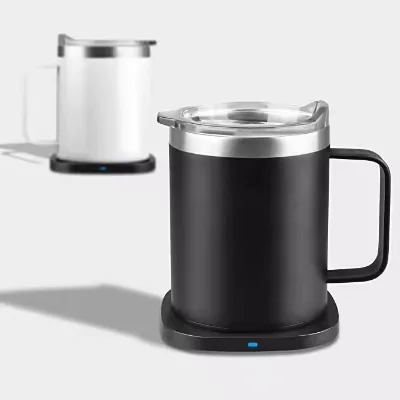
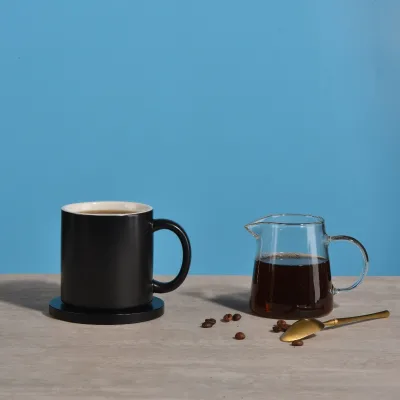
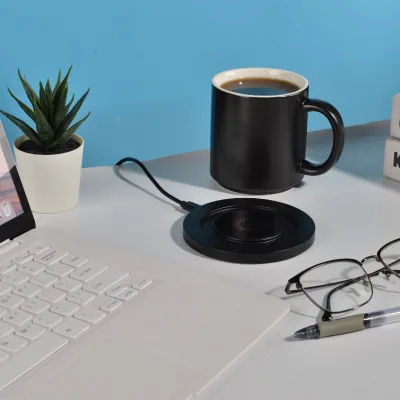
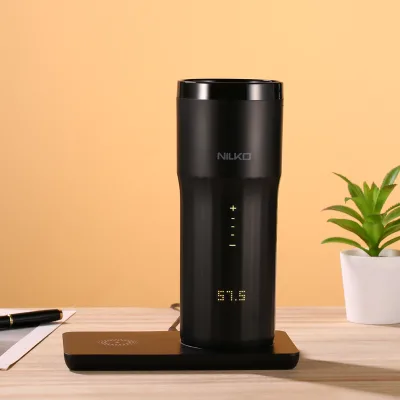
Comprehensive Sourcing Guide
USB Thermostatic Coffee Mug Warmer Sourcing Guide
Procuring USB thermostatic coffee mug warmers requires a disciplined approach to verifying technical compatibility and commercial viability. Buyers must prioritize suppliers who can demonstrate consistent thermal performance across varying ambient temperatures, ensuring the device maintains the desired beverage temperature without overheating. The primary function is heating, which necessitates robust internal components that can withstand repeated cycles of use.
The market offers diverse configurations, including models designed for commercial use and those tailored for outdoor or sports settings. Understanding the specific application context is critical for selecting the right product variant. For instance, a device intended for office desks may have different power requirements than one designed for vehicle use. Buyers should align their sourcing strategy with the end-user environment to ensure the selected warmer meets operational expectations.
Product Scope and Observed Listing Signals
The observed product landscape includes items with varying materials, primarily plastic and stainless steel, which influence both cost and durability. Plastic models often utilize injection molding techniques, allowing for complex shapes and cost-effective mass production. Stainless steel variants typically offer a more premium aesthetic and better heat retention properties. Buyers should evaluate which material best suits their brand positioning and target customer base.
Listing signals indicate a range of customization options, including color and branding. Many suppliers offer OEM services, allowing buyers to apply their own logos and packaging. The presence of keywords like "Milk Tea" suggests that these devices are also marketed for specific beverage types, not just coffee. This versatility can expand the product's appeal in retail environments. Buyers should request samples to assess the quality of customization and the consistency of the heating element across different product batches.
Technical Specifications to Verify
Technical verification must focus on voltage compatibility and power consumption. Listings show both 16V and 220V options, indicating that buyers must specify the exact power source for their target market. A 16V model is typically designed for USB or vehicle power, while 220V units are for mains electricity. Mismatching these specifications can lead to product failure or safety hazards. Buyers should confirm the input voltage range and ensure it aligns with the intended deployment location.
Cup mouth diameter is another critical specification, with options ranging from fine mouth to big mouth. This dimension determines which cup types the warmer can accommodate. For example, a fine mouth design may only fit standard coffee cups, while a big mouth version can handle larger mugs or travel bottles. Buyers should provide their specific cup dimensions to the supplier to ensure compatibility. Additionally, verifying the thermostatic control mechanism is essential to prevent overheating and ensure energy efficiency.
Compliance and Safety Documentation
Safety compliance is paramount for electrical heating devices. Buyers should request documentation for relevant certifications, such as FDA, LFGB, CE, and CIQ, depending on the target market. These certifications indicate that the product has undergone testing for material safety and electrical performance. For instance, FDA certification is crucial for products that come into contact with food or beverages. Buyers should verify that the certifications are current and issued by accredited testing bodies.
Documentation should also include test reports for electrical safety, such as insulation resistance and dielectric strength. These tests ensure that the device does not pose a shock hazard to users. Buyers should ask for copies of these reports and cross-reference them with the specific model number. Additionally, checking for eco-friendly attributes can be important for brands with sustainability goals. Suppliers should be able to provide evidence of compliance with environmental regulations, such as RoHS or REACH, if applicable.
Cost Drivers and Commercial Terms
Cost structures for USB mug warmers are influenced by material choice, customization level, and order volume. Plastic models generally have a lower unit cost compared to stainless steel variants due to cheaper raw materials and simpler manufacturing processes. Customization, such as adding logos or unique packaging, can increase the per-unit price. Buyers should request detailed quotations that break down the costs of the base product, customization, and packaging to identify areas for potential savings.
Commercial terms, including MOQ and payment methods, vary significantly among suppliers. Observed MOQ ranges from 2 to 3000 units, allowing flexibility for both small-scale testing and large-scale production. Buyers should negotiate terms that align with their inventory strategy, such as staggered payments or sample orders before bulk production. Understanding the lead time for production and shipping is also crucial for planning. Buyers should clarify whether the quoted price includes shipping and customs duties to avoid unexpected costs.
Supplier Qualification and Quality Control
Qualifying suppliers involves assessing their manufacturing capabilities and quality control processes. Buyers should request information about the supplier's production facilities, including the number of production lines and quality inspection stations. Suppliers with established quality management systems, such as ISO 9001, are more likely to deliver consistent products. Buyers can also request a factory audit or a third-party inspection to verify the supplier's claims.
Quality control should include pre-shipment inspections to ensure that the products meet the agreed specifications. Buyers should define the acceptable defect rate and the criteria for rejection. For example, a defect in the heating element or a cosmetic flaw in the plastic casing may be unacceptable. Buyers should also establish a clear communication channel with the supplier for addressing any issues that arise during production. Regular updates on production progress can help buyers stay informed and make timely decisions.
Long-Term Procurement Checks
Long-term procurement requires monitoring supplier performance and market trends. Buyers should track key performance indicators, such as on-time delivery rates, defect rates, and customer satisfaction scores. Consistent performance is essential for maintaining a reliable supply chain. Buyers should also stay informed about changes in raw material prices and regulatory requirements that may impact costs and compliance.
Building a strategic relationship with the supplier can lead to better terms and innovation. Buyers can collaborate with the supplier on product development, such as adding new features or improving energy efficiency. Regular reviews of the supplier's performance and market position can help buyers identify opportunities for improvement. By maintaining a proactive approach to procurement, buyers can ensure a stable and cost-effective supply of USB thermostatic coffee mug warmers.
FAQs
What power options are available for the coffee mug warmer?
The product supports both 16V and 220V voltage inputs to suit different regional standards. It features a USB interface type for convenient connectivity. This dual-voltage capability ensures compatibility with various power sources, making it suitable for commercial use in offices or retail environments without requiring special adapters.
Can the coffee mug warmer be customized for branding?
Yes, customization is available for this heating device. Buyers can request specific colors, including black or silver options, and the brand is listed as OEM. This allows businesses to tailor the appearance and labeling to match their corporate identity or specific marketing campaigns effectively.
What certifications does the stainless steel version hold?
The stainless steel variant holds FDA and LFGB certifications, ensuring material safety for food contact. Some models also carry CIQ and CE marks. These certifications verify that the product meets international standards for health and safety, providing assurance for buyers sourcing products for regulated markets.
How is the product packed for shipping?
Packing methods vary by model, including carton boxes, polybags, or individual boxes. Dimensions like 155*115*25mm are specified for certain units. This flexible packaging approach helps protect the item during transit while allowing suppliers to optimize shipping volume and costs based on the specific product configuration ordered.
Where are these warming devices manufactured?
The products originate from Shunde, Foshan, and other locations in China. This manufacturing base is known for producing various electronic and plastic goods. Buyers can leverage this geographic information to assess logistics, supply chain stability, and potential shipping routes when evaluating supplier proposals for bulk orders.
What materials are used in the construction?
Manufacturers use plastic and stainless steel for different models. The plastic versions often feature injection molding techniques for durability. Stainless steel options provide a premium feel and better heat retention. These material choices allow buyers to select products that balance cost, aesthetics, and functional performance for their target market.